
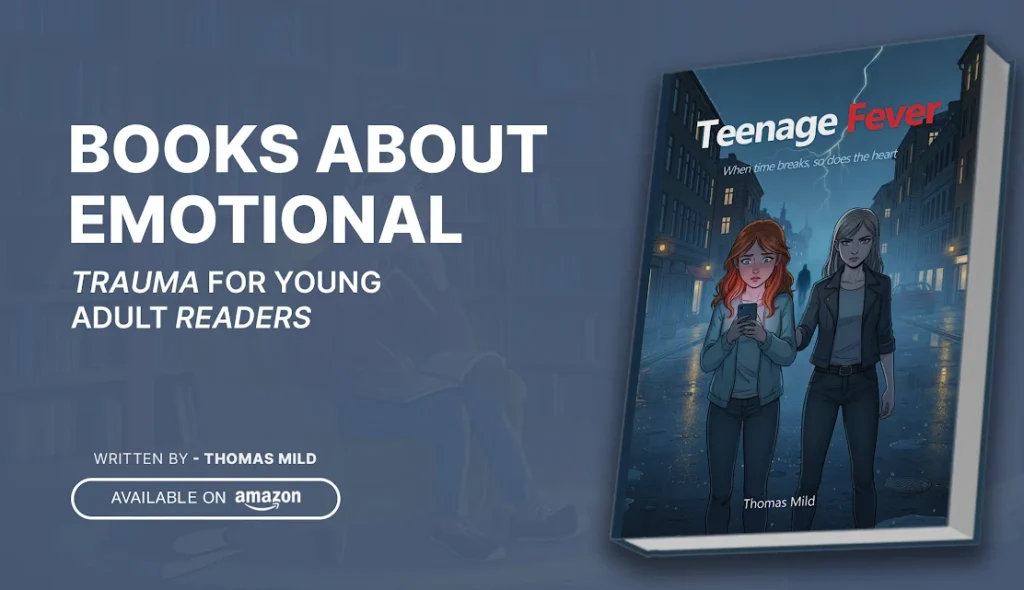
Books about emotional trauma play a crucial role in helping young adult readers understand feelings that are often difficult to express. Adolescence is a period filled with emotional intensity, identity formation, and vulnerability, making stories that explore trauma and grief especially meaningful. Young adult fiction, particularly within the young adult psychological thriller genre, offers a safe space for readers to encounter complex emotions through relatable characters and immersive narratives.
Themes such as loss of a parent, social isolation, anxiety, and grief are handled with emotional honesty in new young adult fiction. Rather than simplifying pain, these stories acknowledge its weight while offering hope and resilience. By placing emotional struggles within engaging storylines, psychological thriller books allow young readers to see their own experiences reflected without feeling alone or overwhelmed. Books about emotional trauma remind teens that healing is possible, even when emotions feel confusing or overwhelming.
Why Books About Emotional Trauma Matter for Teens
Books about emotional trauma provide validation for teens experiencing intense and often confusing emotions. During adolescence, feelings of fear, sadness, grief, and anxiety can feel isolating, especially when teens struggle to articulate what they are experiencing. Fiction becomes a powerful tool because it allows readers to process emotions indirectly, through characters who mirror their own struggles.
A psychological thriller book often reflects internal emotional pressure through suspense, uncertainty, and tension. These elements parallel the mental state of teens dealing with trauma and grief, making the reading experience both engaging and emotionally resonant. Stories centered on grief, fear, and identity encourage emotional awareness while offering reassurance that difficult emotions are part of the human experience.
Books about emotional trauma help teens feel seen rather than judged. They also promote empathy, emotional intelligence, and self-reflection, which are essential tools for navigating adolescence and personal growth.
Trauma and Grief in Young Adult Fiction
New young adult fiction portrays emotional trauma in thoughtful and realistic ways. Rather than resolving grief quickly, these stories allow emotional pain to unfold gradually, reflecting how trauma impacts thoughts, behavior, and relationships over time. Young adult psychological thriller narratives are especially effective because they capture the lingering uncertainty and emotional instability that often accompany loss.
Grief is rarely linear, and well-crafted fiction acknowledges this complexity. Characters may struggle with denial, fear, guilt, or emotional numbness, mirroring real-life experiences. By presenting trauma honestly, books about emotional trauma offer readers both recognition and reassurance, helping them understand that healing is a process rather than an instant resolution.
Loss of a Parent as a Central Theme
Loss of a parent is one of the most powerful and emotionally resonant themes in books about emotional trauma. For young readers, parental loss can disrupt their sense of safety, identity, and belonging. Stories that explore grieving the loss of a parent provide emotional validation and understanding during a deeply vulnerable time.
In young adult fiction, parental loss often catalyzes emotional growth and self-discovery. Characters are forced to confront fear, loneliness, and responsibility earlier than expected. Teenage Fever by Thomas Mild subtly explores this theme through Mandy’s emotional landscape, capturing how grief can distort time, memory, and perception. The story reflects how loss does not simply fade; it reshapes how teens experience the world.
Such narratives help readers feel less alone in their grief and offer comfort through shared emotional experience.
Why Psychological Thrillers Work for Emotional Stories
The young adult psychological thriller format is particularly effective for exploring emotional trauma because it externalizes inner turmoil. Suspense, uncertainty, and distorted reality mirror the emotional pressure experienced by teens dealing with trauma and grief.
Psychological thriller books allow readers to engage deeply with a character’s inner world. The tension keeps readers invested while emotional layers unfold gradually. Rather than overwhelming readers, the genre invites them to explore fear and vulnerability in a controlled, meaningful way.
In Teenage Fever, psychological tension reflects Mandy’s internal struggle, where grief and anxiety blur the line between reality and perception. This approach allows emotional trauma to feel immersive and authentic, making the story both compelling and emotionally impactful.
How These Stories Help Young Readers Heal
Books about emotional trauma remind young readers that they are not alone. Through character-driven storytelling, teens see that others have faced similar fears, losses, and uncertainties. New young adult fiction balances emotional depth with resilience, allowing readers to explore grief without becoming overwhelmed.
Reading about trauma in fiction encourages emotional reflection and empathy. It helps teens recognize their own feelings and develop healthier coping mechanisms. While these books are not replacements for professional support, they can offer comfort, validation, and emotional connection.
Stories like Teenage Fever provide a quiet reminder that healing takes time and that emotional confusion is not a weakness but part of growth.
Thomas Mild and Authentic Emotional Storytelling
Thomas Mild brings authenticity and emotional sensitivity to books about emotional trauma. His new young adult fiction blends psychological thriller elements with honest portrayals of trauma and grief, creating stories that feel grounded and relatable. Rather than dramatizing pain, Mild presents it with subtlety and emotional realism.
In Teenage Fever, Mild captures the inner world of a grieving teen with care, allowing emotional tension to unfold naturally. His storytelling resonates with readers who appreciate character-driven narratives that explore loss, identity, and emotional resilience without easy answers.
Learn more about Thomas Mild and his approach to authentic emotional storytelling About Thomas Mild.
Visit Thomas Mild’s homepage to discover more about his works and writing style.
Find Teenage Fever on Amazon to start reading now.
Final Thoughts
Books about emotional trauma play an essential role in young adult literature. Through young adult psychological thriller stories, teens can explore grief, loss of a parent, and emotional uncertainty in ways that feel safe and meaningful. These narratives offer understanding, connection, and emotional depth, helping readers navigate difficult life experiences.
New young adult fiction continues to prove that emotionally honest storytelling can support healing, resilience, and self-awareness. For teens seeking stories that reflect real emotional struggles, books like Teenage Fever provide both comfort and lasting impact.
FAQs
Q1: What are books about emotional trauma?
Books about emotional trauma explore deep emotional struggles such as grief, loss, fear, and healing through character-driven fiction.
Q2: Are books about emotional trauma suitable for teens?
Yes, many new young adult fiction titles address emotional topics in age-appropriate and supportive ways.
Q3: How do psychological thrillers help explore grief?
A psychological thriller book uses suspense to reflect emotional stress, allowing readers to experience trauma through the story.
Q4: Do these books focus on the loss of a parent?
Many books about emotional trauma include the loss of a parent because it is a deeply impactful and relatable experience.
Q5: Can these books help teens cope with grief?
While not a substitute for professional help, these stories can help teens feel understood and less alone.